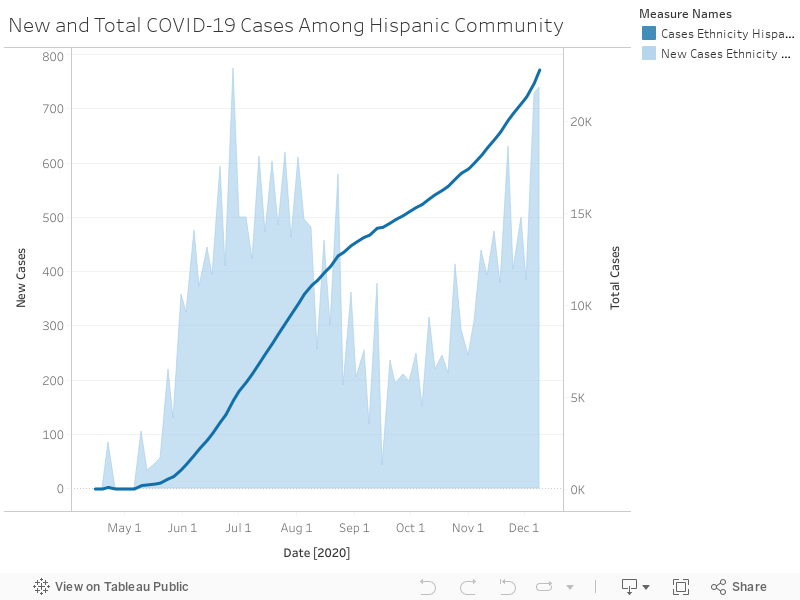
{"id":1027,"date":"2020-12-13T21:13:07","date_gmt":"2020-12-14T02:13:07","guid":{"rendered":"https:\/\/nyujournalismprojects.org\/gdjfall20\/?p=1027"},"modified":"2020-12-13T22:49:55","modified_gmt":"2020-12-14T03:49:55","slug":"how-tyson-foods-failed-the-hispanic-community-in-arkansas","status":"publish","type":"post","link":"https:\/\/nyujournalismprojects.org\/gdjfall20\/index.php\/2020\/12\/13\/how-tyson-foods-failed-the-hispanic-community-in-arkansas\/","title":{"rendered":"How Tyson Foods Failed the Hispanic Community in Arkansas"},"content":{"rendered":"<p>At the height of the first-wave of the COVID-19 pandemic, Hispanic, Black, and Asian front-line workers at Tyson Foods meat-packing facilities in Springdale, Arkansas worked shoulder-to-shoulder in low ventilated, congregate spaces, while taking orders from a white management team who wagered with their lives. Now, eight months later in the midst of the deadly second wave, the United States is making its way towards three-hundred thousand COVID-19 deaths and the meat-packing industry continues to be a national breeding ground for the virus. <\/p>\n<p>Tyson Foods, the global meat processing company which accounts for approximately 20% of the beef, pork and chicken produced in the US, has been at the helm of these outbreaks. With a total of 145 production facilities in the country, the majority of which are in Arkansas, Tyson has become an example of how being slow to adopt CDC recommended procedures and precautions can cost lives. <\/p>\n<p>Magaly Licolli, Co-founder and Director at Venceremos \u2014a worker-based organization in Arkansas whose mission is to ensure the human rights of poultry workers\u2014 first became aware of the dangerous working conditions of these facilities when she worked at a community clinic in Springdale. <\/p>\n<p>\u201cMost of these workers are injured for life, and a lot of workers don\u2019t have access to healthcare. That\u2019s why they went to the community clinic where they needed a specialist because of the issues they developed from working in processing plants. I knew that immigrants were coming to the US to find a better life, but I never knew this was the life they had to encounter.\u201d<\/p>\n<p>Since the start of the pandemic, Magaly has been working with organizers on the ground to ensure poultry workers are guaranteed PPE, paid-sick leave, paid-quarantine leave, hazard pay, and social distancing policies are being implemented and upheld.<\/p>\n<p>Through several press releases, Tyson Foods Senior Vice President Scott Brook and other senior management team members at the company have applauded their internal efforts of CDC recommended protocol implementation, while also noting that community infections remain higher than company rates. According to Brook, the company is doing everything they can to protect the safety of their essential workers. <\/p>\n<p>According to Magaly, keeping poultry workers safe has never been a priority for this industry, especially in Springdale. \u201cOrganizing here in Arkansas, in the home of Tyson Foods, brings a lot of insecurity for workers to speak up, as they are often in the shadows. The entire community benefits from the suffering of these workers. Tyson provides money to thousands of nonprofits in Arkansas to service immigrants and the Marshallese people, but at the end of the day, charity does not bring justice to these workers and [donations] pretty much control the community\u2019s silence.\u201d<\/p>\n<p>The fear of retaliation for speaking out against companies such as Tyson is now a tactic of the past, as many front-line workers and activists on the ground are speaking out against years of injustice. According to a new report from BuzzFeed News, seven meat processing plants in Arkansas, <a href=\"https:\/\/headtopics.com\/us\/the-coronavirus-outbreaks-in-meatpacking-plants-were-much-worse-than-the-official-numbers-show-17111770\">owned by JBS, Tyson, and Cargill Tyson<\/a>, are accused of underreporting COVID-19 cases while declining the state health department\u2019s offer to conduct testing on-site. <\/p>\n<p>Local news reports also show COVID-19 safety related policies came too late and at the expense of many lives. Despite press release announcements from Tyson Food\u2019s communications team, the dangerous conditions reported by activists on the ground show a different reality; a reality which has a disproportionate impact on the marginalized communities that make up the workforce at these processing plants. <\/p>\n<p>According to the <a href=\"https:\/\/www.cdc.gov\/mmwr\/volumes\/69\/wr\/mm6927e2.htm\">CDC\u2019s Morbidity and Mortality Weekly Report<\/a> (MMWR) \u2014CDC\u2019s scientific publication of useful public health information and recommendations\u2014 there were a total of 23 states reporting COVID-19 outbreaks in meat and poultry processing facilities. Across these 23 states, 16,233 cases in 239 facilities were recorded. Among cases where race\/ethnicity was reported, the MMWR identified that 87% of COVID-19 cases occurred among racial or ethnic minorities.* <\/p>\n<p>According to The Covid Tracking Project at The Atlantic, Hispanic\/Latino residents are contracting the virus at significantly higher rates compared to all other racial or ethnic groups in the state. In Arkansas, Hispanic\/Latino residents make up 7% of the population, however make up 13% of confirmed COVID-19 cases. <\/p>\n<p>The below graph highlights new daily cases and total COVID-19 cases for Hispanic populations in Arkansas since the start of the pandemic. <\/p>\n<div class='tableauPlaceholder' id='viz1607911444612' style='position: relative'><noscript><a href='#'><img alt=' ' src='https:&#47;&#47;public.tableau.com&#47;static&#47;images&#47;E_&#47;E_Garcia_GDJ_AR_COVID-19&#47;CASES_HISPANIC&#47;1_rss.png' style='border: none' \/><\/a><\/noscript><object class='tableauViz'  style='display:none;'><param name='host_url' value='https%3A%2F%2Fpublic.tableau.com%2F' \/><param name='embed_code_version' value='3' \/><param name='site_root' value='' \/><param name='name' value='E_Garcia_GDJ_AR_COVID-19&#47;CASES_HISPANIC' \/><param name='tabs' value='no' \/><param name='toolbar' value='yes' \/><param name='static_image' value='https:&#47;&#47;public.tableau.com&#47;static&#47;images&#47;E_&#47;E_Garcia_GDJ_AR_COVID-19&#47;CASES_HISPANIC&#47;1.png' \/><param name='animate_transition' value='yes' \/><param name='display_static_image' value='yes' \/><param name='display_spinner' value='yes' \/><param name='display_overlay' value='yes' \/><param name='display_count' value='yes' \/><param name='language' value='en' \/><\/object><\/div>\n<p>                <script type='text\/javascript'>                    var divElement = document.getElementById('viz1607911444612');                    var vizElement = divElement.getElementsByTagName('object')[0];                    vizElement.style.width='100%';vizElement.style.height=(divElement.offsetWidth*0.75)+'px';                    var scriptElement = document.createElement('script');                    scriptElement.src = 'https:\/\/public.tableau.com\/javascripts\/api\/viz_v1.js';                    vizElement.parentNode.insertBefore(scriptElement, vizElement);                <\/script><\/p>\n<p>Below we see COVID-19 outbreaks by county in Arkansas. As noted in the map, the highest number of cases are happening in Pulaski, Washington, and Benton counties. <\/p>\n<div class='tableauPlaceholder' id='viz1607911532152' style='position: relative'><noscript><a href='#'><img alt=' ' src='https:&#47;&#47;public.tableau.com&#47;static&#47;images&#47;E_&#47;E_Garcia_GDJ_AR_COVID-19_COUNTY&#47;COUNTY&#47;1_rss.png' style='border: none' \/><\/a><\/noscript><object class='tableauViz'  style='display:none;'><param name='host_url' value='https%3A%2F%2Fpublic.tableau.com%2F' \/><param name='embed_code_version' value='3' \/><param name='site_root' value='' \/><param name='name' value='E_Garcia_GDJ_AR_COVID-19_COUNTY&#47;COUNTY' \/><param name='tabs' value='no' \/><param name='toolbar' value='yes' \/><param name='static_image' value='https:&#47;&#47;public.tableau.com&#47;static&#47;images&#47;E_&#47;E_Garcia_GDJ_AR_COVID-19_COUNTY&#47;COUNTY&#47;1.png' \/><param name='animate_transition' value='yes' \/><param name='display_static_image' value='yes' \/><param name='display_spinner' value='yes' \/><param name='display_overlay' value='yes' \/><param name='display_count' value='yes' \/><param name='language' value='en' \/><param name='filter' value='publish=yes' \/><\/object><\/div>\n<p>                <script type='text\/javascript'>                    var divElement = document.getElementById('viz1607911532152');                    var vizElement = divElement.getElementsByTagName('object')[0];                    vizElement.style.width='100%';vizElement.style.height=(divElement.offsetWidth*0.75)+'px';                    var scriptElement = document.createElement('script');                    scriptElement.src = 'https:\/\/public.tableau.com\/javascripts\/api\/viz_v1.js';                    vizElement.parentNode.insertBefore(scriptElement, vizElement);                <\/script><br \/>\nSpringdale, Arkansas \u2014situated in Washington and Benton counties and home to Tyson Foods headquarters\u2014 also happens to have the largest population of Hispanic\/Latino residents, making up 36% of the city\u2019s population. <\/p>\n<p>According to Magaly there are physical conditions and psychological management tactics unique to meat-packing facilities which make this work particularly dangerous for employees. The quick production line speeds are at the crux of these dangers. \u201cRight now the line speed is 145 chickens per minute. This year during the pandemic, some companies got a waiver to increase the line speed to 174 chickens per minute. The repetitive motions create long term injuries like carpal tunnel and because of the speed, many of the workers get into accidents such as cuttings and amputations.\u201d<\/p>\n<p>The increased demand of meat is the driving force behind line speeds. Hitting production goals requires machine-like efficiency of workers. \u201cBecause of the line speed running so fast and these workers acting like machines, there are a lot of restrictions on breaks, including bathroom breaks. Employees are not allowed a lot of breaks and are often forced to wear diapers because they don&#8217;t want to get in trouble.\u201d <\/p>\n<p>The management style in these facilities create a culture of fear and punishment by use of a disciplinary point system. \u201cAny mistake will lead to a point reduction, such as coming in even one minute late, going to the bathroom without permission, lasting longer in the bathroom than is permitted, and taking time off for the doctor. These workers live with the threat of being fired for doing what is right, what they\u2019re supposed to do.\u201d<\/p>\n<p>Oscar Fernandez filed a <a href=\"https:\/\/www.cnn.com\/2020\/11\/19\/business\/tyson-coronavirus-lawsuit\/index.html\" rel=\"noopener noreferrer\" target=\"_blank\">wrongful death suit against Tyson Foods<\/a> over the summer when his father Isidro Fernandez, an employee at Tyson\u2019s Waterloo, Iowa plant, died from COVID-19 complications. The initial suit alleged Tyson Foods did not take the proper precautions to ensure the safety of its employees. <\/p>\n<p>COVID-19 safety violations are only the tip of the iceberg. According to Good Jobs First \u2014a national policy resource center promoting corporate and government accountability\u2014 Tyson Foods has paid $169 million dollars for 284 violations since 2000. 54% of the violations were safety related offenses. <\/p>\n<p>In November, Fernandez\u2019s lawsuit was amended to include allegations of malpractice and misconduct from Waterloo facility leadership. According to the lawsuit, management cancelled safety meetings, avoided plant floors once COVID-19 cases were confirmed, encouraged employees to continue working regardless if they were sick or exhibiting symptoms, and most shockingly, established \u201ca cash buy-in, winner-take-all betting pool for supervisors and managers to wager how many employees would test positive for Covid-19.\u201d<\/p>\n<p>This is not surprising, according to Magaly. She believes Tyson Foods has only taken symbolic action to ensure the safety of its employees. \u201cCompanies such as Tyson claim that they have invested millions of dollars in securing workers safety by placing plexiglasses between workers, but the reality is workers are still working shoulder to shoulder. Because of the structure in the plants, it&#8217;s impossible for workers to practice social distancing if they have to come in and out of shifts at the same time. If they have the same break times to go to the bathroom, they crowd the bathroom and the hallways. But these companies claim that because they placed the plastic, everything is safe.\u201d <\/p>\n<p>The official Waterloo facility complainant comes from a variety of organizations including Food Chain Workers Alliance, Rural Community Workers Alliance, HEAL Food Alliance, American Friends Service Committee\u2013Iowa, Idaho Organization of Resource Councils, and Forward Latino. <\/p>\n<p>The compliant further alleges that the COVID-19 policies adopted after March 11, 2020 violate Title VI of the Civil Rights Act of 1964 which protects individuals from racial discrimination by recipients of federal financial assistance. The complainant argues that Tyson Foods\u2019 internal policies, or lack thereof, disproportionately impact Black, Latino, and Asian workers, which happen to be the majority of their workforce. These policies are discriminatory on the basis of race and are causing a substantial adverse effect on these workers. <\/p>\n<p>Magaly claims that government agencies are on board with these allegations. \u201cThe federal government, the local government, and the state government have acted to protect these companies rather than the workers. They have passed executive orders that harm workers and workers don&#8217;t have any way to find any legal justice because they have protected these companies from any liability related to COVID-19. They [governments] know that these companies purposely expose workers because they refused to shut down or even slow down the volume of production. They refused to restructure the workstations because they were lying about the shortage of meat and claimed we were in a crisis. They said these workers were heroes and that they needed to keep working in order for us to have food on the table. The reality was not that. The reality was that Tyson is now exporting meat to other countries. So, it&#8217;s not that employees are working  to meet the food demand of the nation, they are being sacrificed for profits.\u201d  <\/p>\n<p>On April 28, 2020, President Trump signed an executive order under the Defense Production Act of 1950 ensuring meat processing facilities remain open, despite thousands of confirmed cases of COVID-19 within the facilities. Tyson Foods, Inc stock price has increased by 46% since March 18, the day after the company issued its first statement regarding intent to protect team members and ensure continuity of essential business. <\/p>\n<p>*Race\/ethnicity data was missing in 39% of MMWR reports<\/p>\n","protected":false},"excerpt":{"rendered":"<p>At the height of the first-wave of the COVID-19 pandemic, Hispanic, Black, and Asian front-line workers at Tyson Foods meat-packing facilities in Springdale, Arkansas worked shoulder-to-shoulder in low ventilated, congregate spaces, while taking orders from a white management team who wagered with their lives. Now, eight months later in the midst of the deadly second [&hellip;]<\/p>\n","protected":false},"author":5,"featured_media":0,"comment_status":"closed","ping_status":"closed","sticky":false,"template":"","format":"standard","meta":{"footnotes":""},"categories":[1],"tags":[],"yoast_head":"<!-- This site is optimized with the Yoast SEO plugin v22.4 - https:\/\/yoast.com\/wordpress\/plugins\/seo\/ -->\n<title>How Tyson Foods Failed the Hispanic Community in Arkansas - GDJ Fall 2020<\/title>\n<meta name=\"robots\" content=\"index, follow, max-snippet:-1, max-image-preview:large, max-video-preview:-1\" \/>\n<link rel=\"canonical\" href=\"https:\/\/nyujournalismprojects.org\/gdjfall20\/index.php\/2020\/12\/13\/how-tyson-foods-failed-the-hispanic-community-in-arkansas\/\" \/>\n<meta property=\"og:locale\" content=\"en_US\" \/>\n<meta property=\"og:type\" content=\"article\" \/>\n<meta property=\"og:title\" content=\"How Tyson Foods Failed the Hispanic Community in Arkansas - GDJ Fall 2020\" \/>\n<meta property=\"og:description\" content=\"At the height of the first-wave of the COVID-19 pandemic, Hispanic, Black, and Asian front-line workers at Tyson Foods meat-packing facilities in Springdale, Arkansas worked shoulder-to-shoulder in low ventilated, congregate spaces, while taking orders from a white management team who wagered with their lives. Now, eight months later in the midst of the deadly second [&hellip;]\" \/>\n<meta property=\"og:url\" content=\"https:\/\/nyujournalismprojects.org\/gdjfall20\/index.php\/2020\/12\/13\/how-tyson-foods-failed-the-hispanic-community-in-arkansas\/\" \/>\n<meta property=\"og:site_name\" content=\"GDJ Fall 2020\" \/>\n<meta property=\"article:published_time\" content=\"2020-12-14T02:13:07+00:00\" \/>\n<meta property=\"article:modified_time\" content=\"2020-12-14T03:49:55+00:00\" \/>\n<meta property=\"og:image\" content=\"https:&#47;&#47;public.tableau.com&#47;static&#47;images&#47;E_&#47;E_Garcia_GDJ_AR_COVID-19&#47;CASES_HISPANIC&#47;1_rss.png\" \/>\n<meta name=\"author\" content=\"Elli\" \/>\n<meta name=\"twitter:card\" content=\"summary_large_image\" \/>\n<meta name=\"twitter:label1\" content=\"Written by\" \/>\n\t<meta name=\"twitter:data1\" content=\"Elli\" \/>\n\t<meta name=\"twitter:label2\" content=\"Est. reading time\" \/>\n\t<meta name=\"twitter:data2\" content=\"8 minutes\" \/>\n<script type=\"application\/ld+json\" class=\"yoast-schema-graph\">{\"@context\":\"https:\/\/schema.org\",\"@graph\":[{\"@type\":\"WebPage\",\"@id\":\"https:\/\/nyujournalismprojects.org\/gdjfall20\/index.php\/2020\/12\/13\/how-tyson-foods-failed-the-hispanic-community-in-arkansas\/\",\"url\":\"https:\/\/nyujournalismprojects.org\/gdjfall20\/index.php\/2020\/12\/13\/how-tyson-foods-failed-the-hispanic-community-in-arkansas\/\",\"name\":\"How Tyson Foods Failed the Hispanic Community in Arkansas - GDJ Fall 2020\",\"isPartOf\":{\"@id\":\"https:\/\/nyujournalismprojects.org\/gdjfall20\/#website\"},\"datePublished\":\"2020-12-14T02:13:07+00:00\",\"dateModified\":\"2020-12-14T03:49:55+00:00\",\"author\":{\"@id\":\"https:\/\/nyujournalismprojects.org\/gdjfall20\/#\/schema\/person\/cf3277a0054180c377a4da7ce800e04d\"},\"breadcrumb\":{\"@id\":\"https:\/\/nyujournalismprojects.org\/gdjfall20\/index.php\/2020\/12\/13\/how-tyson-foods-failed-the-hispanic-community-in-arkansas\/#breadcrumb\"},\"inLanguage\":\"en-US\",\"potentialAction\":[{\"@type\":\"ReadAction\",\"target\":[\"https:\/\/nyujournalismprojects.org\/gdjfall20\/index.php\/2020\/12\/13\/how-tyson-foods-failed-the-hispanic-community-in-arkansas\/\"]}]},{\"@type\":\"BreadcrumbList\",\"@id\":\"https:\/\/nyujournalismprojects.org\/gdjfall20\/index.php\/2020\/12\/13\/how-tyson-foods-failed-the-hispanic-community-in-arkansas\/#breadcrumb\",\"itemListElement\":[{\"@type\":\"ListItem\",\"position\":1,\"name\":\"Home\",\"item\":\"https:\/\/nyujournalismprojects.org\/gdjfall20\/\"},{\"@type\":\"ListItem\",\"position\":2,\"name\":\"How Tyson Foods Failed the Hispanic Community in Arkansas\"}]},{\"@type\":\"WebSite\",\"@id\":\"https:\/\/nyujournalismprojects.org\/gdjfall20\/#website\",\"url\":\"https:\/\/nyujournalismprojects.org\/gdjfall20\/\",\"name\":\"GDJ Fall 2020\",\"description\":\"\",\"potentialAction\":[{\"@type\":\"SearchAction\",\"target\":{\"@type\":\"EntryPoint\",\"urlTemplate\":\"https:\/\/nyujournalismprojects.org\/gdjfall20\/?s={search_term_string}\"},\"query-input\":\"required name=search_term_string\"}],\"inLanguage\":\"en-US\"},{\"@type\":\"Person\",\"@id\":\"https:\/\/nyujournalismprojects.org\/gdjfall20\/#\/schema\/person\/cf3277a0054180c377a4da7ce800e04d\",\"name\":\"Elli\",\"image\":{\"@type\":\"ImageObject\",\"inLanguage\":\"en-US\",\"@id\":\"https:\/\/nyujournalismprojects.org\/gdjfall20\/#\/schema\/person\/image\/\",\"url\":\"https:\/\/secure.gravatar.com\/avatar\/4113de588ea73a743d8d305d7dfec979?s=96&d=mm&r=g\",\"contentUrl\":\"https:\/\/secure.gravatar.com\/avatar\/4113de588ea73a743d8d305d7dfec979?s=96&d=mm&r=g\",\"caption\":\"Elli\"},\"url\":\"https:\/\/nyujournalismprojects.org\/gdjfall20\/index.php\/author\/eg3029\/\"}]}<\/script>\n<!-- \/ Yoast SEO plugin. -->","yoast_head_json":{"title":"How Tyson Foods Failed the Hispanic Community in Arkansas - GDJ Fall 2020","robots":{"index":"index","follow":"follow","max-snippet":"max-snippet:-1","max-image-preview":"max-image-preview:large","max-video-preview":"max-video-preview:-1"},"canonical":"https:\/\/nyujournalismprojects.org\/gdjfall20\/index.php\/2020\/12\/13\/how-tyson-foods-failed-the-hispanic-community-in-arkansas\/","og_locale":"en_US","og_type":"article","og_title":"How Tyson Foods Failed the Hispanic Community in Arkansas - GDJ Fall 2020","og_description":"At the height of the first-wave of the COVID-19 pandemic, Hispanic, Black, and Asian front-line workers at Tyson Foods meat-packing facilities in Springdale, Arkansas worked shoulder-to-shoulder in low ventilated, congregate spaces, while taking orders from a white management team who wagered with their lives. Now, eight months later in the midst of the deadly second [&hellip;]","og_url":"https:\/\/nyujournalismprojects.org\/gdjfall20\/index.php\/2020\/12\/13\/how-tyson-foods-failed-the-hispanic-community-in-arkansas\/","og_site_name":"GDJ Fall 2020","article_published_time":"2020-12-14T02:13:07+00:00","article_modified_time":"2020-12-14T03:49:55+00:00","og_image":[{"url":"https:&#47;&#47;public.tableau.com&#47;static&#47;images&#47;E_&#47;E_Garcia_GDJ_AR_COVID-19&#47;CASES_HISPANIC&#47;1_rss.png"}],"author":"Elli","twitter_card":"summary_large_image","twitter_misc":{"Written by":"Elli","Est. reading time":"8 minutes"},"schema":{"@context":"https:\/\/schema.org","@graph":[{"@type":"WebPage","@id":"https:\/\/nyujournalismprojects.org\/gdjfall20\/index.php\/2020\/12\/13\/how-tyson-foods-failed-the-hispanic-community-in-arkansas\/","url":"https:\/\/nyujournalismprojects.org\/gdjfall20\/index.php\/2020\/12\/13\/how-tyson-foods-failed-the-hispanic-community-in-arkansas\/","name":"How Tyson Foods Failed the Hispanic Community in Arkansas - GDJ Fall 2020","isPartOf":{"@id":"https:\/\/nyujournalismprojects.org\/gdjfall20\/#website"},"datePublished":"2020-12-14T02:13:07+00:00","dateModified":"2020-12-14T03:49:55+00:00","author":{"@id":"https:\/\/nyujournalismprojects.org\/gdjfall20\/#\/schema\/person\/cf3277a0054180c377a4da7ce800e04d"},"breadcrumb":{"@id":"https:\/\/nyujournalismprojects.org\/gdjfall20\/index.php\/2020\/12\/13\/how-tyson-foods-failed-the-hispanic-community-in-arkansas\/#breadcrumb"},"inLanguage":"en-US","potentialAction":[{"@type":"ReadAction","target":["https:\/\/nyujournalismprojects.org\/gdjfall20\/index.php\/2020\/12\/13\/how-tyson-foods-failed-the-hispanic-community-in-arkansas\/"]}]},{"@type":"BreadcrumbList","@id":"https:\/\/nyujournalismprojects.org\/gdjfall20\/index.php\/2020\/12\/13\/how-tyson-foods-failed-the-hispanic-community-in-arkansas\/#breadcrumb","itemListElement":[{"@type":"ListItem","position":1,"name":"Home","item":"https:\/\/nyujournalismprojects.org\/gdjfall20\/"},{"@type":"ListItem","position":2,"name":"How Tyson Foods Failed the Hispanic Community in Arkansas"}]},{"@type":"WebSite","@id":"https:\/\/nyujournalismprojects.org\/gdjfall20\/#website","url":"https:\/\/nyujournalismprojects.org\/gdjfall20\/","name":"GDJ Fall 2020","description":"","potentialAction":[{"@type":"SearchAction","target":{"@type":"EntryPoint","urlTemplate":"https:\/\/nyujournalismprojects.org\/gdjfall20\/?s={search_term_string}"},"query-input":"required name=search_term_string"}],"inLanguage":"en-US"},{"@type":"Person","@id":"https:\/\/nyujournalismprojects.org\/gdjfall20\/#\/schema\/person\/cf3277a0054180c377a4da7ce800e04d","name":"Elli","image":{"@type":"ImageObject","inLanguage":"en-US","@id":"https:\/\/nyujournalismprojects.org\/gdjfall20\/#\/schema\/person\/image\/","url":"https:\/\/secure.gravatar.com\/avatar\/4113de588ea73a743d8d305d7dfec979?s=96&d=mm&r=g","contentUrl":"https:\/\/secure.gravatar.com\/avatar\/4113de588ea73a743d8d305d7dfec979?s=96&d=mm&r=g","caption":"Elli"},"url":"https:\/\/nyujournalismprojects.org\/gdjfall20\/index.php\/author\/eg3029\/"}]}},"_links":{"self":[{"href":"https:\/\/nyujournalismprojects.org\/gdjfall20\/index.php\/wp-json\/wp\/v2\/posts\/1027"}],"collection":[{"href":"https:\/\/nyujournalismprojects.org\/gdjfall20\/index.php\/wp-json\/wp\/v2\/posts"}],"about":[{"href":"https:\/\/nyujournalismprojects.org\/gdjfall20\/index.php\/wp-json\/wp\/v2\/types\/post"}],"author":[{"embeddable":true,"href":"https:\/\/nyujournalismprojects.org\/gdjfall20\/index.php\/wp-json\/wp\/v2\/users\/5"}],"replies":[{"embeddable":true,"href":"https:\/\/nyujournalismprojects.org\/gdjfall20\/index.php\/wp-json\/wp\/v2\/comments?post=1027"}],"version-history":[{"count":4,"href":"https:\/\/nyujournalismprojects.org\/gdjfall20\/index.php\/wp-json\/wp\/v2\/posts\/1027\/revisions"}],"predecessor-version":[{"id":1046,"href":"https:\/\/nyujournalismprojects.org\/gdjfall20\/index.php\/wp-json\/wp\/v2\/posts\/1027\/revisions\/1046"}],"wp:attachment":[{"href":"https:\/\/nyujournalismprojects.org\/gdjfall20\/index.php\/wp-json\/wp\/v2\/media?parent=1027"}],"wp:term":[{"taxonomy":"category","embeddable":true,"href":"https:\/\/nyujournalismprojects.org\/gdjfall20\/index.php\/wp-json\/wp\/v2\/categories?post=1027"},{"taxonomy":"post_tag","embeddable":true,"href":"https:\/\/nyujournalismprojects.org\/gdjfall20\/index.php\/wp-json\/wp\/v2\/tags?post=1027"}],"curies":[{"name":"wp","href":"https:\/\/api.w.org\/{rel}","templated":true}]}}